
The Danger You Can't Always See
When most homeowners think about roof damage, they picture missing shingles or water pouring through the ceiling during a storm. But the truth is, the most expensive roof problems are the ones you don't notice right away. Hidden water damage can quietly rot your decking, destroy insulation, invite mold growth, and compromise the structural integrity of your home — all while your roof looks perfectly fine from the outside.
Living in Miami, your roof takes a beating year-round. Between intense afternoon thunderstorms, hurricane season, and the relentless humidity, water finds every possible way to sneak into your home. By the time you see a visible stain on your ceiling, the damage underneath may already be extensive. That's why knowing the early warning signs of hidden water damage is one of the smartest things a South Florida homeowner can do.
7 Warning Signs of Hidden Roof Water Damage
1. Musty Odors You Can't Explain
If certain rooms in your home have a persistent musty or damp smell — especially upstairs bedrooms or rooms directly beneath the attic — it could mean moisture is trapped in your roof structure. Mold and mildew thrive in Miami's humid climate, and a small roof leak can create the perfect breeding ground long before you see any visible evidence.
2. Discoloration on Ceilings or Walls
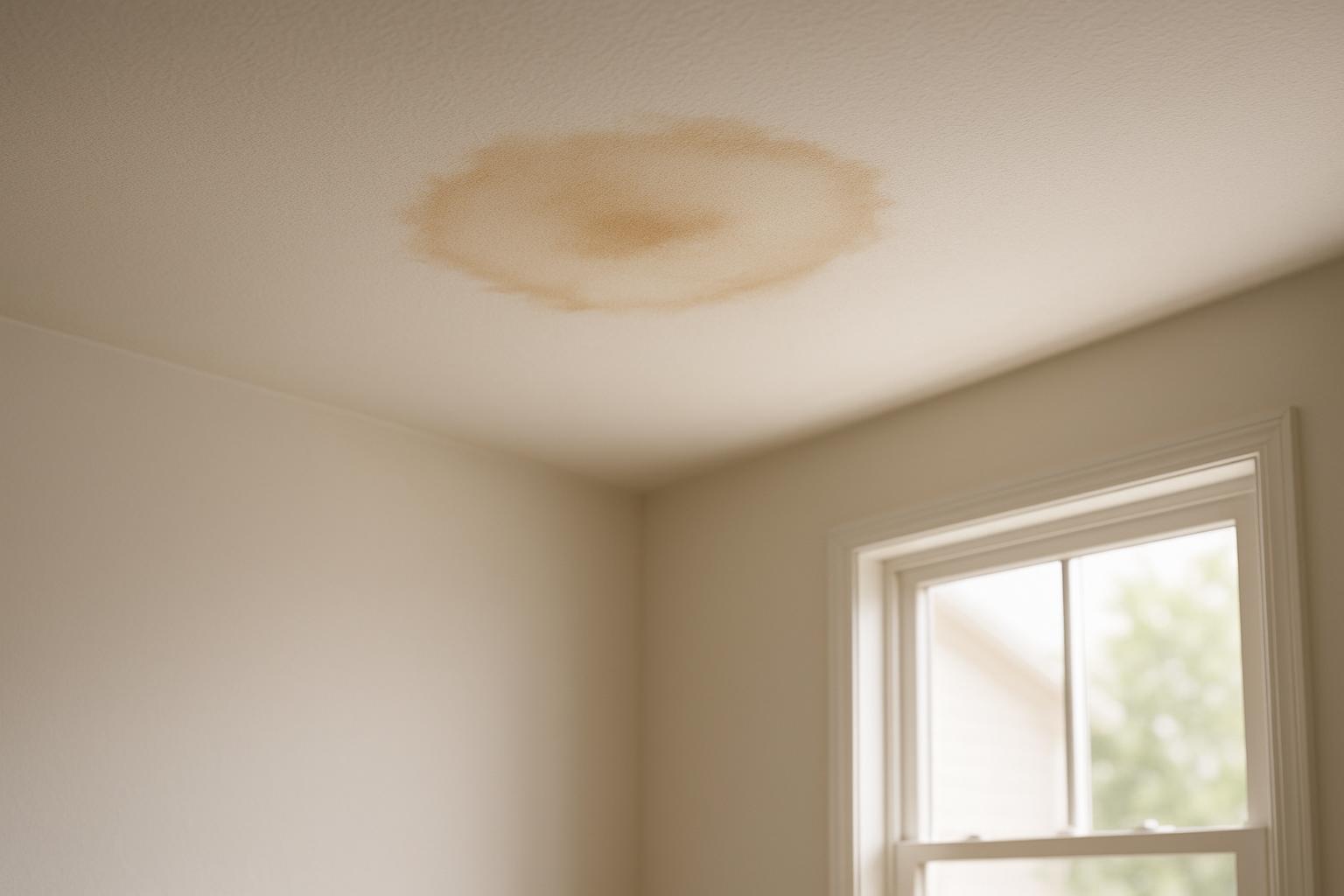
Yellowish or brownish stains on your ceiling are a classic sign, but don't overlook subtle discoloration on walls, especially near the roofline. Sometimes water travels along rafters or sheathing before it drips down, meaning the stain you see could be far from the actual source of the leak. Even faint rings or slightly darker patches deserve investigation.
3. Peeling or Bubbling Paint
When moisture gets trapped behind drywall, it causes paint to lose adhesion. If you notice paint peeling, bubbling, or flaking on your ceilings or upper walls, water infiltration from the roof is a likely culprit. This is especially common in older homes throughout Miami Shores and North Miami where roofing materials may have degraded over time.
4. Sagging or Warped Spots on the Ceiling
A ceiling that appears to sag, bow, or feel soft to the touch is a serious red flag. This means water has been accumulating long enough to saturate the drywall or plaster. If you notice this, avoid pushing on the area and call a roofing professional immediately — a waterlogged ceiling can collapse without warning.
5. Granules in Your Gutters
If you have asphalt shingles, check your gutters during your next cleaning. An excessive amount of granules — those small, sand-like particles — indicates your shingles are deteriorating. Once shingles lose their protective granule layer, they become far more vulnerable to water penetration. This is a problem we see frequently in Hialeah and Aventura, where roofs endure constant UV exposure.
6. Higher Than Normal Energy Bills
This one surprises most homeowners. When water infiltrates your roof, it can saturate attic insulation, dramatically reducing its effectiveness. If your energy bills have crept up and your AC seems to be working harder than usual, compromised insulation from a hidden roof leak could be the reason. In Miami's heat, even a small reduction in insulation performance can cost you hundreds of dollars a year.
7. Daylight Visible Through the Roof Boards
Head into your attic on a sunny day and turn off any lights. If you can see small points of daylight coming through the roof boards, water can get through those same openings. While you're up there, look for dark streaks or stains on the underside of the decking — these are telltale signs that water has been making its way in.
Why Hidden Water Damage Is Worse in Miami
Miami's climate creates a uniquely challenging environment for roofs. Here's why hidden water damage tends to escalate faster here than in other parts of the country:
- High humidity: Even small amounts of trapped moisture struggle to dry out, accelerating rot and mold growth.
- Frequent storms: Summer thunderstorms and tropical weather systems repeatedly test every vulnerable point on your roof.
- Intense UV radiation: Year-round sun exposure breaks down roofing materials faster, creating more opportunities for water to penetrate.
- Wind-driven rain: During storms, rain doesn't just fall straight down — it drives sideways under flashing, into vents, and around improperly sealed penetrations.
These factors mean that a minor issue that might stay minor for years in a drier climate can become a major problem in just one rainy season here in South Florida.
What to Do If You Suspect Hidden Water Damage
If any of the warning signs above sound familiar, here's what we recommend:
- Don't ignore it. Water damage never fixes itself. It only gets worse and more expensive over time.
- Schedule a professional roof inspection. A trained roofer can identify the source of water intrusion that you'd never spot from the ground or even from inside your attic. At Perfect Roofing & Service, our inspections are thorough — we check flashing, penetrations, decking condition, and every common failure point.
- Document what you find. Take photos of any stains, peeling paint, or damaged areas. This documentation can be valuable if you need to file an insurance claim, especially for storm-related damage.
- Address the root cause first. It's tempting to just repaint a stained ceiling and move on, but cosmetic fixes without repairing the underlying roof issue guarantee the problem will return.
Prevention Is Always Cheaper Than Repair
The best way to deal with hidden water damage is to catch it before it starts. We recommend that Miami homeowners schedule a professional roof inspection at least once a year — ideally before hurricane season begins in June. Regular inspections can catch deteriorating flashing, cracked sealant around vents and pipes, and early shingle damage before any water makes it into your home.
If your roof is more than 15 years old, inspections become even more critical. Many roofing materials commonly used in North Miami Beach, Aventura, and surrounding areas have a lifespan of 20 to 25 years, and the last several years of that lifespan are when problems are most likely to develop.
Protect Your Home Before the Next Storm
Your roof is your home's first line of defense against everything Miami's weather throws at it. Hidden water damage undermines that defense silently, and the longer it goes undetected, the more it costs to fix. Whether you've noticed a suspicious stain, a musty smell, or your energy bills just don't make sense anymore, it's worth getting a professional opinion.
Perfect Roofing & Service has helped homeowners across Miami, Hialeah, Miami Shores, and the surrounding communities identify and repair hidden roof damage before it turns into a full-blown emergency. If it's been a while since your last roof inspection — or if something just doesn't seem right — give us a call. We'll give you an honest assessment and a clear plan to keep your home protected.